


Detective Work at the Fridge
I have a brand-new topic straight from real life. I noticed that after some time on a dedicated Golden Flow protocol, my partner started occasionally slipping back into old habits—specifically, the all-day “snacking mode” that kicks off right after lunch.
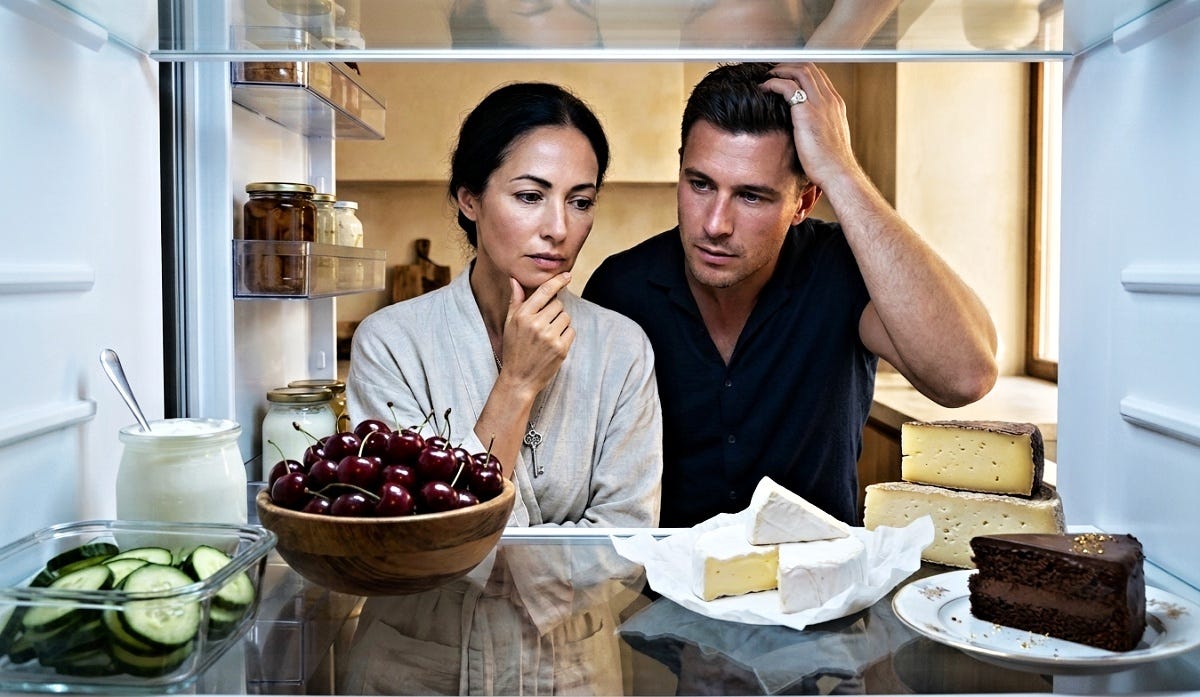
Let’s analyze the anatomy of one of his seemingly textbook lunches: Yesterday, he had a rich beef broth with vegetables and boiled beef with marrow bone. Zero side carbs, zero unnecessary flour. A flawless low-carb foundation. Yet right after finishing, an uncontrollable urge for “a little something extra” kicked in. He opened the fridge and devoured two whole Camembert-style cheeses. Meanwhile, he took a bite of raw cucumber. Next came a tub of yogurt, and to top off this entire mosaic, he finished with fresh cherries, scooping up a bit of my fresh whipped cream.
And for the grand finale, his classic old ritual: fully stuffed, he lay down on the couch and fell asleep—a direct invitation for his old nemesis, acid reflux.
How is it possible that someone who just ate a full plate of broth and a nice portion of quality meat feels an acute need to “raid” the fridge? We managed to bring the insulin curve under control with low-carb eating, but clearly not entirely. Is the issue that he didn’t reach true, deep satiety during the main meal? And what actually governs satiety—food volume, composition, eating speed, or hydration?
Deceptive Volume vs. True Satiety: Why a Stomach Full of Soup Isn’t Enough
My logic and experience tells me that when you are biochemically satiated, you have no urge to hunt for extra food. If that urge appears, the lunch suffered from one critical flaw: a lack of fat. Let’s see if my assumption is right and supported by some science.
Mechanical vs. Chemical Satiety
Meat broth and cooked vegetables fill the stomach’s physical volume, and mechanoreceptors in the stomach wall temporarily report fullness. But mechanical stretching of the stomach is only half the battle. If the body lacks caloric density and fatty acids, chemical satiety in the small intestine never occurs.
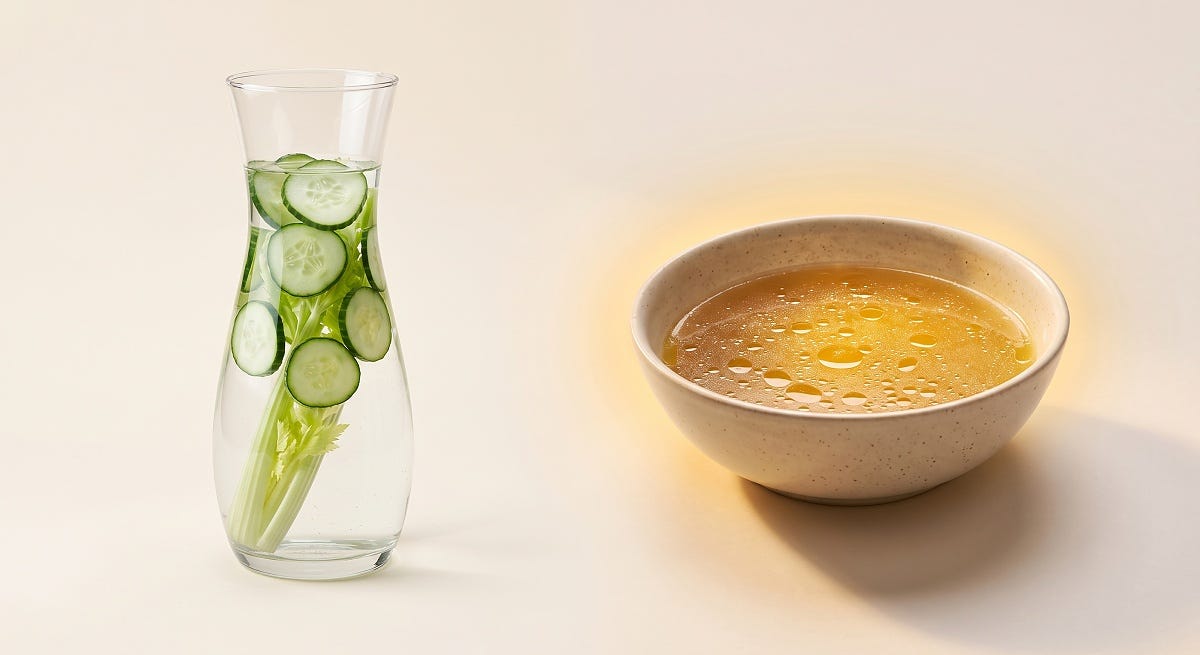
As soon as the broth’s water filters out and the stomach partially empties, the brain realizes it hasn’t received sustained fuel. Lacking a steady stream of energy from fats, it panics and sends an urgent signal: “Go find a quick fix!” And that’s when the fridge raid begins.
The Golden Rule of the Golden Flow Kitchen
“The leaner the meat, the more love (healthy fat) it demands on your plate.”
The Satiety Hormone Orchestra: How Our Internal Allies Work
Hormonal regulation of food intake isn’t a solo performance; it’s a full orchestra. When we understand where these hormones are synthesized and what blocks them, we can turn them into lifelong allies.
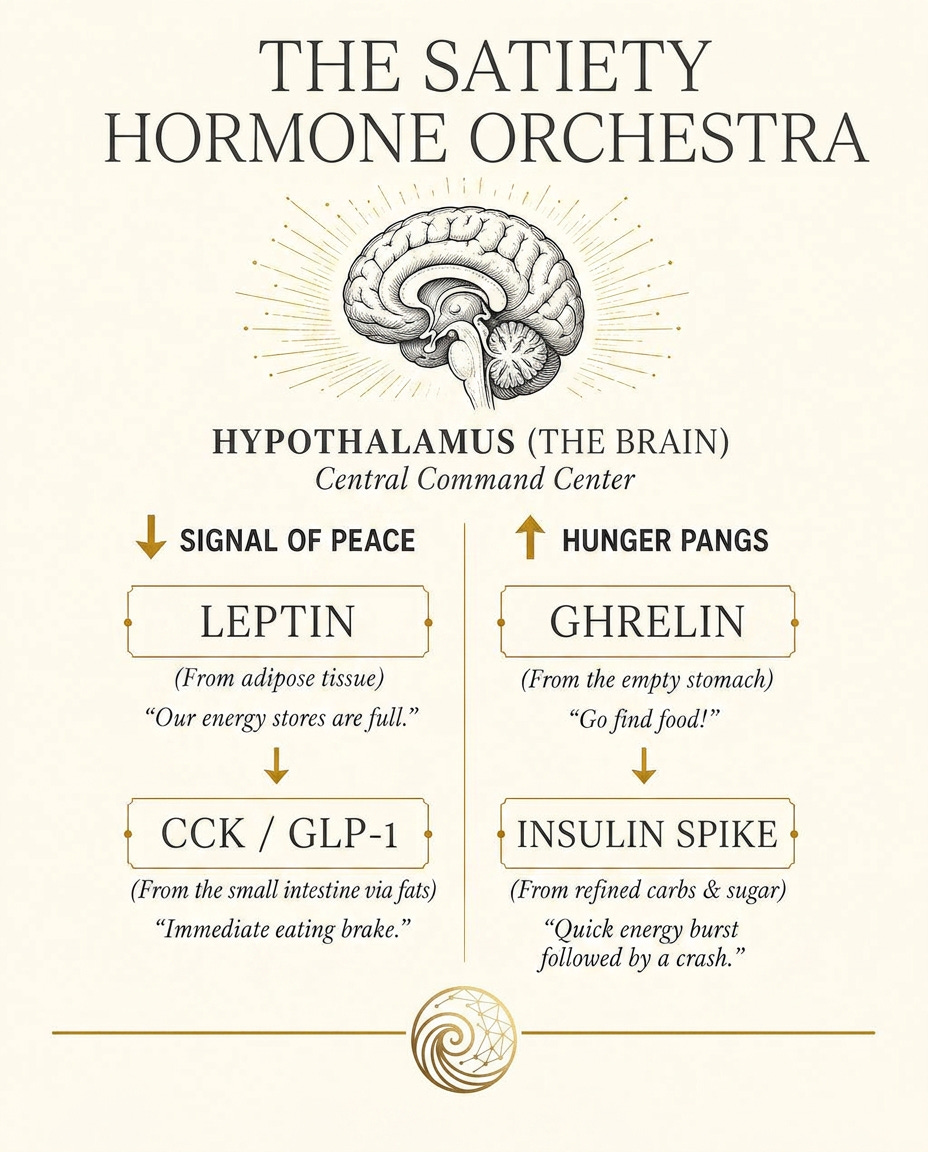
1. CCK (Cholecystokinin) – The Immediate Brake
Where it’s made: In the small intestine (duodenum) as soon as fat and protein enter from the stomach.
How it works: Slows gastric emptying and sends a lightning-fast signal via the vagus nerve directly to the brain: “Stop eating, we are full!”
What activates it: Fatty acids (quality animal & dairy fats, egg yolks) and digested proteins (peptides & amino acids).
2. GLP-1 (Glucagon-Like Peptide-1) – Natural Metabolic Brakes
Where it’s made: Specialized L-cells in the lining of the small and large intestine.
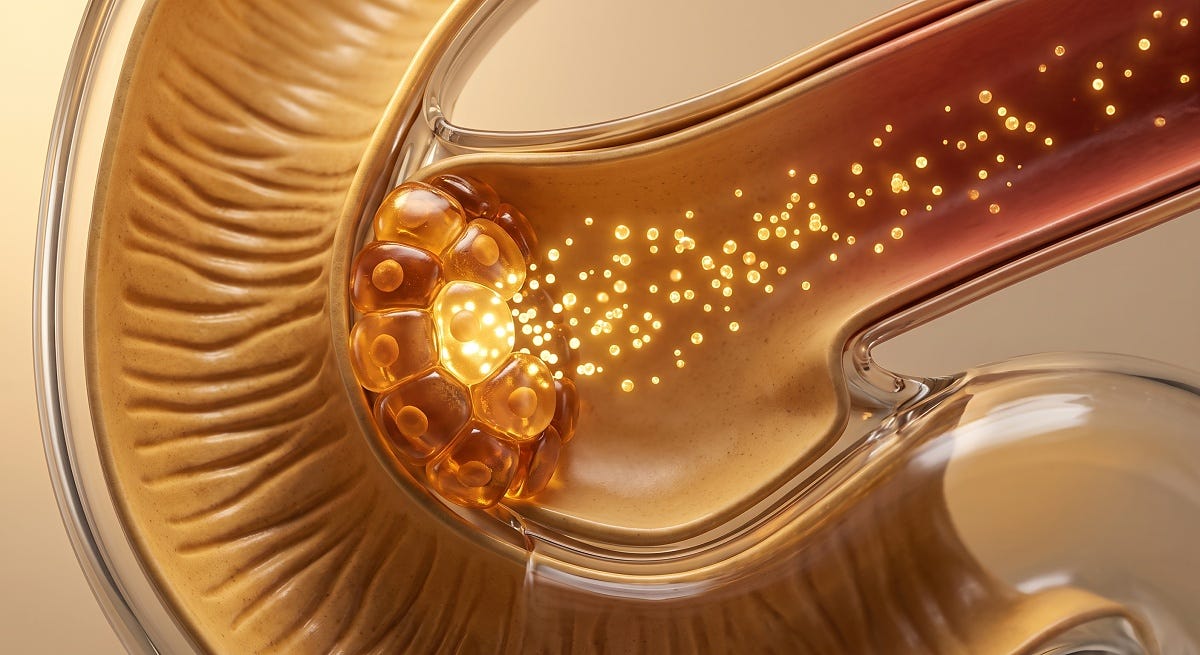
Cellular Trigger: L-cells act as microscopic sensors. When fatty acids and partially digested proteins reach the small intestine, they bind to receptors on L-cells. This triggers a cellular cascade, releasing GLP-1 into the bloodstream and nerve endings.
Triple Effect:
In the Brain: Travels to the hypothalamus, turning off the hunger center and instilling a sense of calm.
In the Stomach: Physically slows gastric emptying, keeping food in the stomach longer to extend mechanical and chemical fullness.
In the Pancreas: Enhances insulin sensitivity and prevents drastic blood sugar spikes.
The Shocking Comparison: Modern weight-loss injections (like Ozempic or Wegovy) simply mimic this exact hormone synthetically. But we don’t need synthetic drugs—quality fats on your plate are the natural, most powerful key to unlock your L-cells’ own GLP-1 production!
3. Leptin – The Long-Term Storage Sentinel
Where it’s made: In fat cells (adipocytes) across the body, with subcutaneous fat being the primary production house.
How it works: Secreted directly into the bloodstream, it travels to the brain and crosses the blood-brain barrier via specialized transporters to reach the hypothalamus. It delivers a clear message: “Stores are full; stop hunting for food and burn excess energy.”
What blocks it (Leptin Resistance): Chronic inflammation and elevated insulin block this transport pathway. Leptin levels in the blood remain high, but the brain hears only silence and panics as if you were starving!
4. Ghrelin – The Wild Call of Hunger
Where it’s made: In the stomach (specifically the fundus).
How it works: Rises when the stomach is empty, triggering an urgent drive to seek food in the brain.
What shuts it down: Mechanical stretching of the stomach from food or liquids temporarily drops ghrelin, but that’s just a band-aid. For long-lasting suppression, fats must reach the small intestine to send a sustained biochemical signal of satiety to the brain.
The Gut-Brain Expressway: What Neurobiology Revealed
Science supports this philosophy with astonishing clarity. Neurobiological research (e.g., from the Max Planck Institute for Metabolism Research) revealed the direct Fat-Gut-Brain Axis.
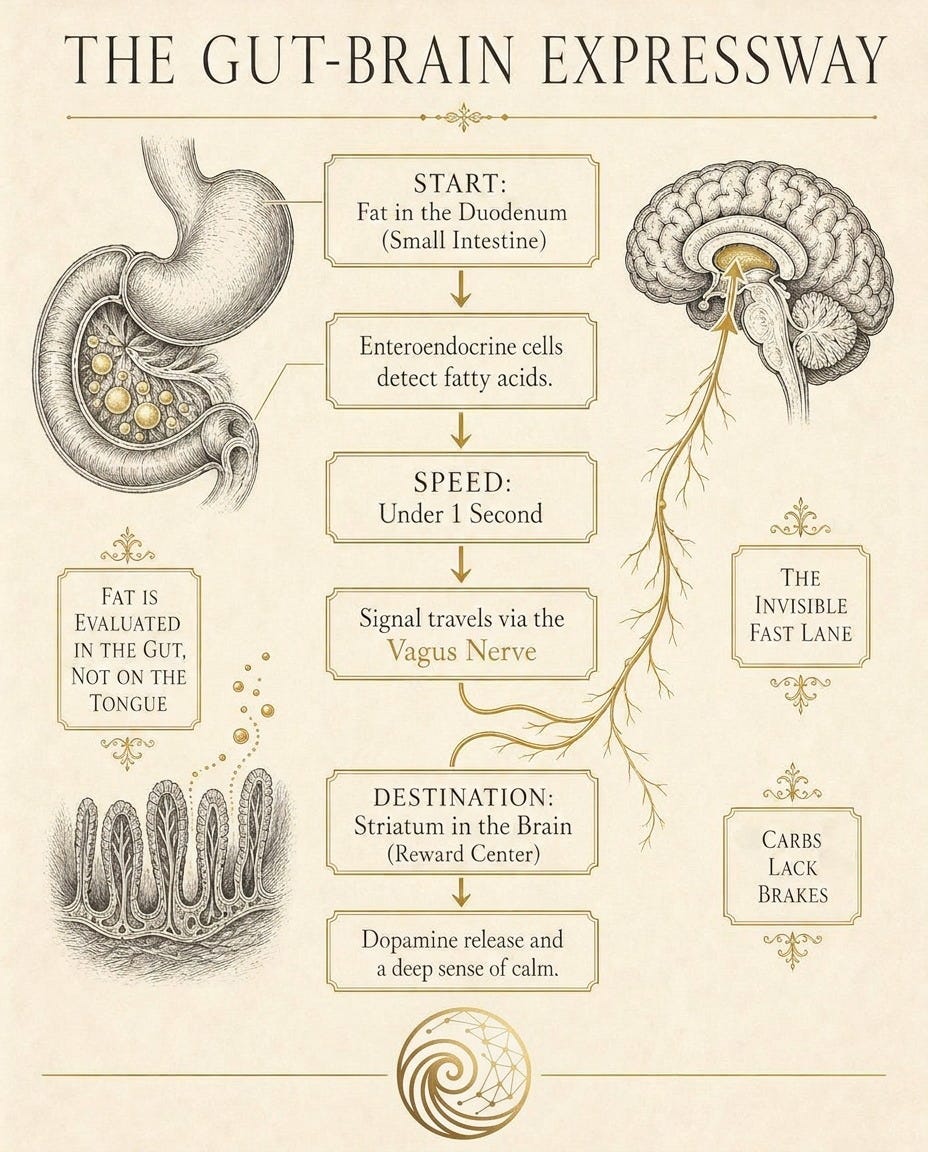
Fat is Evaluated in the Gut, Not on the Tongue: When you consume fat, enteroendocrine cells in the small intestine detect it instantly.
The Invisible Fast Lane: These cells send a signal through the vagus nerve to the brainstem in less than one second—far faster than any sugar absorption into the bloodstream.
Why Carbs Lack Brakes: While carbohydrates (bread, fruit, sweets) overstimulate reward pathways crying “more, more!”, fats activate circuits that immediately calm cravings and deliver deep satisfaction.
What if we overdo the fats?
You know that feeling when you eat something very rich and suddenly crave a crisp salad or something sour? That’s neurobiology at work! If you consume too much fat, the vagus nerve alerts the brain: “Capacity reached!” The brain blocks desire for more rich food and triggers a craving for sour or fresh flavors (lemon, fermented veggies, greens). Sour tastes act as a biochemical trigger for bile release, which instantly helps emulsify and digest the extra fats. The body naturally self-regulates!
Not All Proteins Are Created Equal: The Fat-to-Lactose Matrix
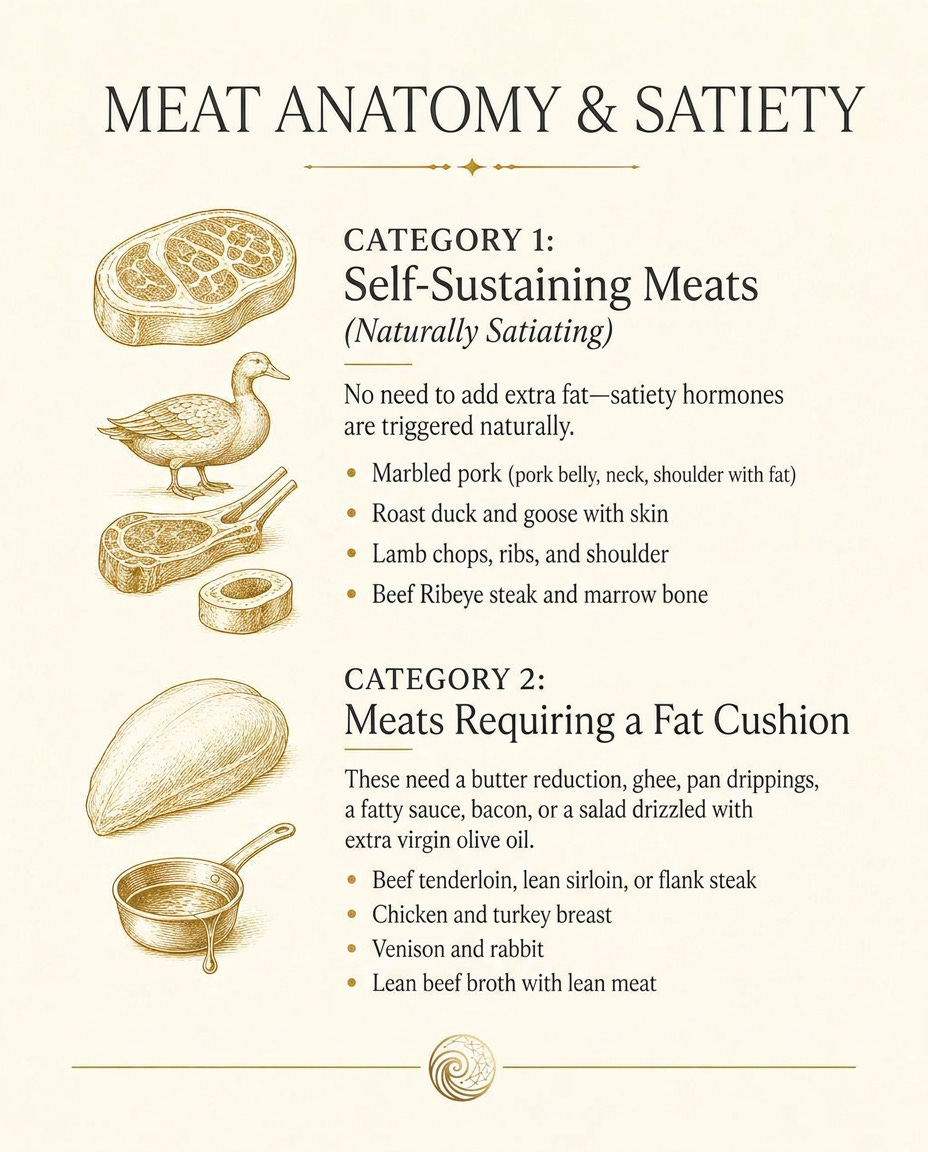
When building a meal for lasting satiety, we quickly realize that not all whole foods behave the same way in our digestive tract. Some protein sources are naturally self-sustaining, carrying their own built-in biological brakes, while others will leave you searching the pantry an hour later unless you purposefully dress them in a quality fat matrix.
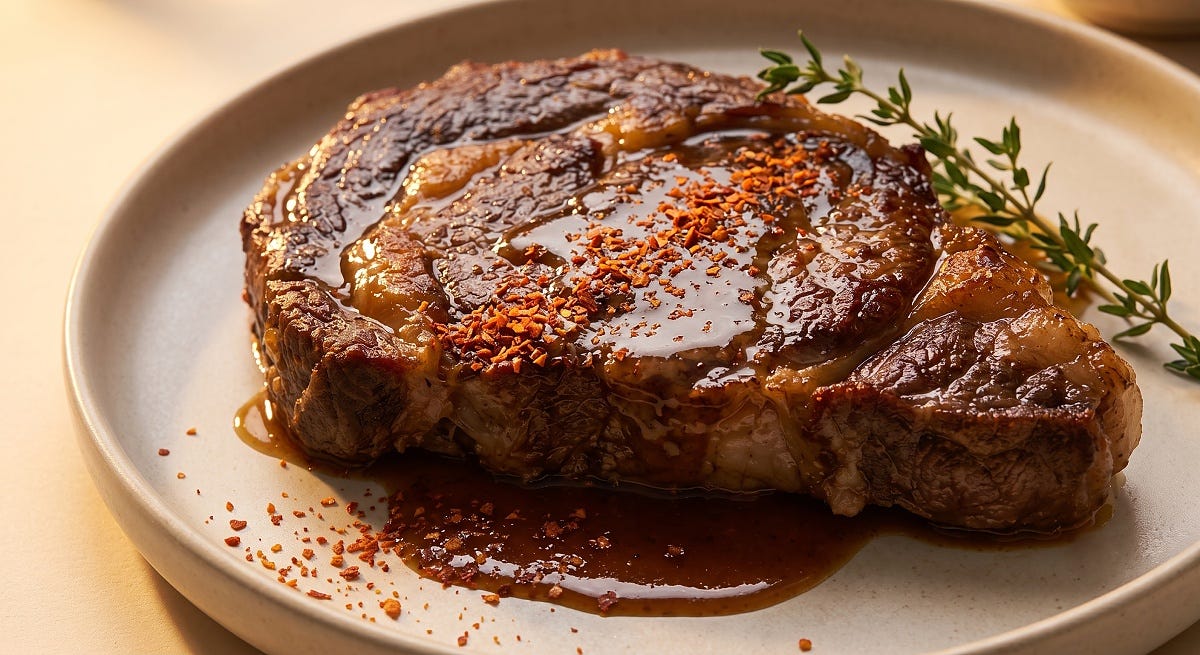
Take meat, for example. Fatty, marbled cuts - like pork belly, ribeye steak, roast duck with skin, or lamb chops - are naturally rich in saturated fats that immediately trigger CCK and GLP-1 release in the small intestine. They need no help. On the flip side, lean options such as chicken breast, beef tenderloin, venison, or clear beef broth are metabolically incomplete on their own. Without an added “fat cushion” - a butter reduction, ghee, pan drippings, or a rich olive oil dressing - they fail to activate chemical satiety, leaving your brain expecting fuel that never arrives.
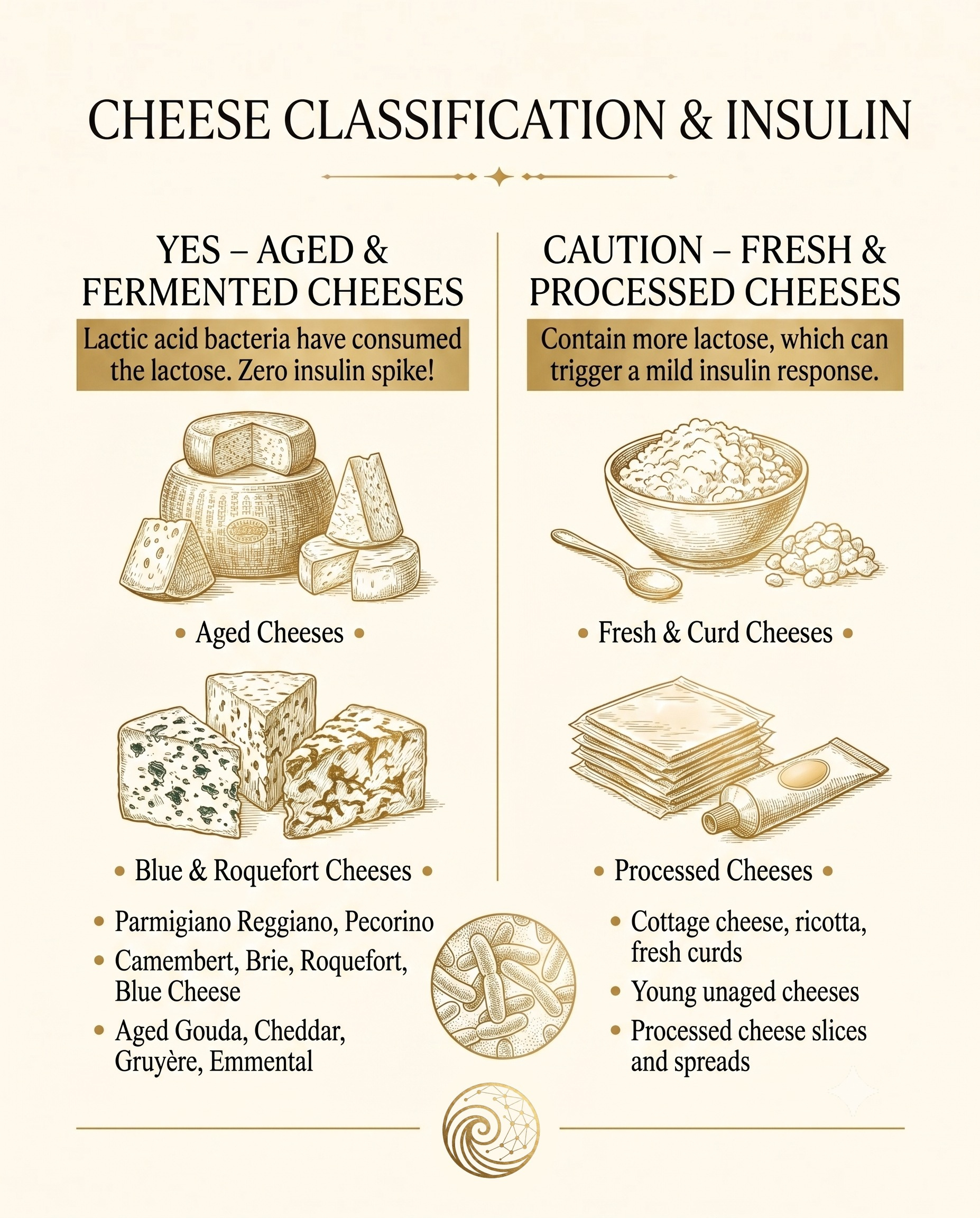
A similar principle applies to our vegetarian community and cheese lovers. Aged and fermented cheeses - such as Parmigiano Reggiano, Pecorino, Roquefort, or aged Gouda - are absolute satiety champions. Because lactic acid bacteria consume virtually all the lactose during the aging process, these cheeses deliver a dense matrix of fat and protein with zero insulin spikes.
However, fresh and processed cheeses (like cottage cheese, ricotta, or unaged curds) still contain lingering milk sugars that can provoke a subtle insulin response. While still valuable, they simply require a bit more mindfulness and a drizzle of healthy fat to keep your metabolic curve perfectly flat.
The Mediterranean Culinary Equation: Caprese & Greek Classics
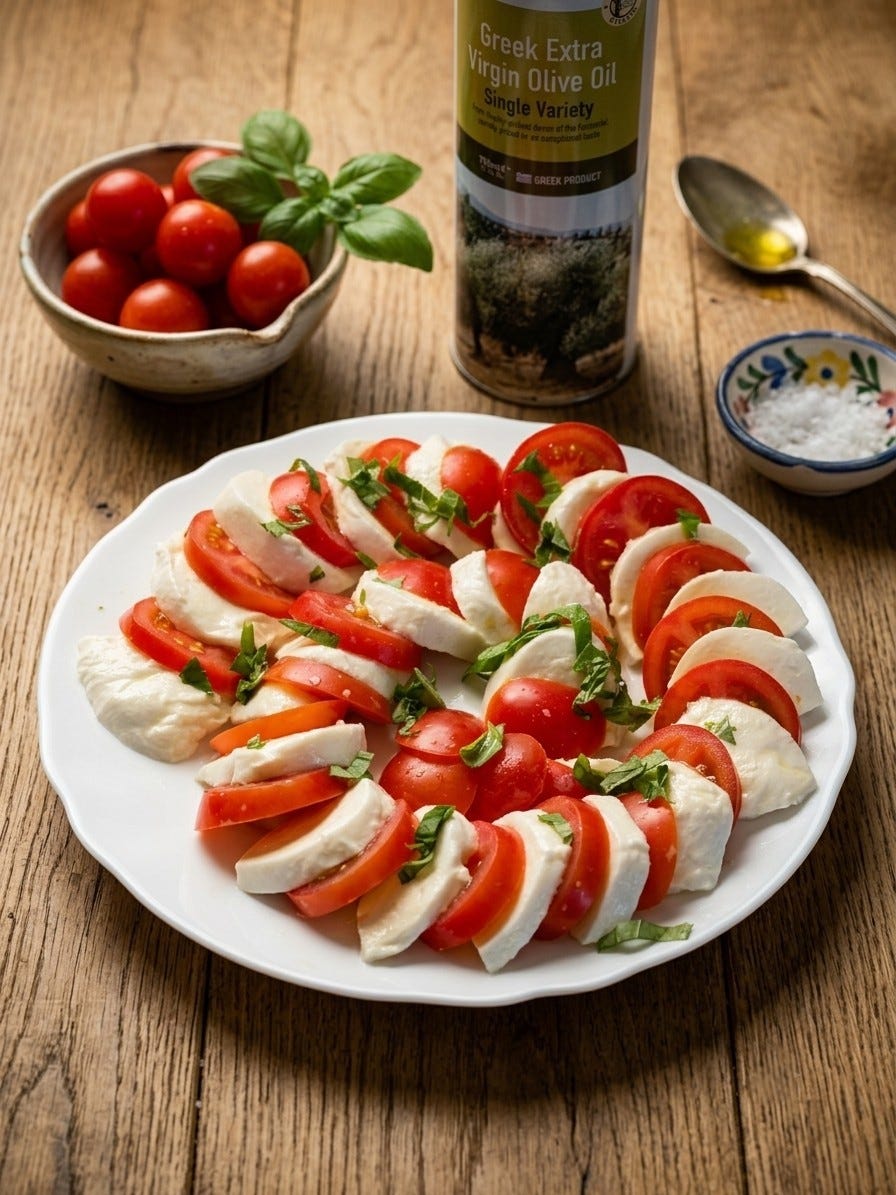
Despite being naturally pretty fatty (containing 40-45% of fat), fresh cheeses haven’t undergone long aging, so pairing them generously with extra virgin olive oil reinforces the fat matrix, ensuring maximum satiety without any insulin rollercoasters.
This is why Mozzarella with tomatoes or salted Feta / Balkan cheese with crisp cucumbers drizzled with rich extra virgin olive oil make so much sense!
The Lycopene & Fat Synergy: Tomatoes contain lycopene, a potent antioxidant that is strictly fat-soluble—olive oil acts as its perfect delivery vehicle.
The Hydration & Electrolyte Anchor: Salty fresh cheeses (like Feta) combined with water-rich cucumbers and olive oil replenish electrolytes while keeping ghrelin completely quiet.
Pungency, Spices, and Umami: Sensory Weapons to Instantly Shut Down Hunger
Up to this point, we’ve discussed stomach volume, healthy fat matrices, and metabolic hormones. However, there is another fascinating neurobiological layer to satiety—the sensory taste experience and its direct impact on our brain.
Have you ever eaten a plain, skinless boiled chicken breast and, despite feeling physically full, found your brain still “hungry for an experience,” prompting a hunt for a sweet finishing touch? That happens when a meal lacks sensory depth.
When we invite capsaicin, warming spices, and the depth of Umami into our kitchen, we trigger an entirely new cascade of satiety signals throughout the body.
Capsaicin and Pungency: A Lightning Flash for Metabolism and Hormones
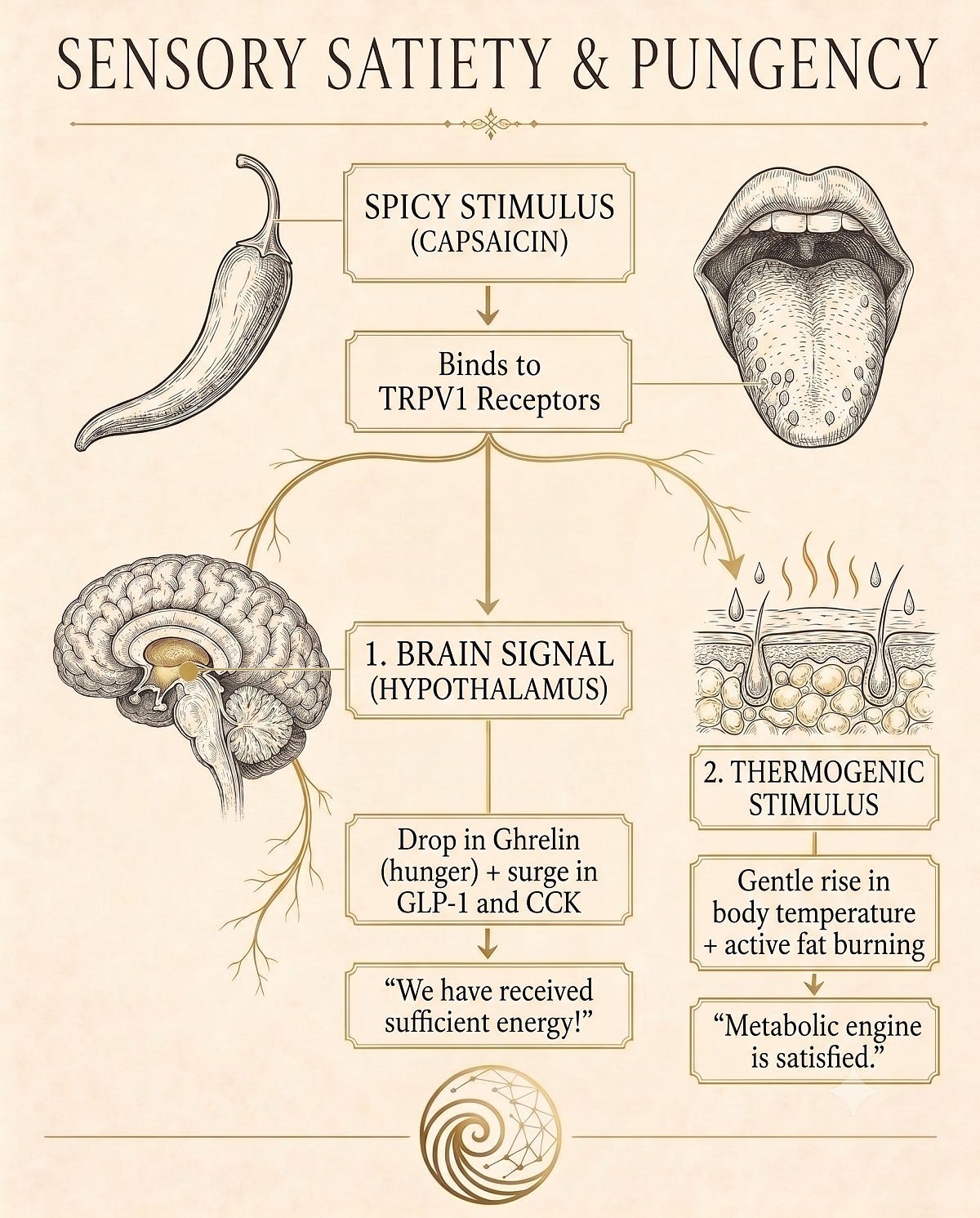
Spicy foods offer far more than just a burning sensation on the tongue. The primary active compound in chili peppers – capsaicin - binds to specialized TRPV1 receptors located not only in the mouth, but also in the stomach lining and throughout the entire digestive tract.
Ghrelin Suppression & GLP-1 Launch
Research shows that capsaicin can directly suppress the release of ghrelin (the hunger hormone) while stimulating the secretion of gut satiety hormones GLP-1 and CCK.
Thermogenesis (Heat Production)
Pungent spices gently elevate core body temperature and stimulate the sympathetic nervous system. As the body burns fat to generate heat, it sends a clear signal to the brain: “We are metabolically satisfied; no need to hunt for extra fuel.”
Black Pepper, Ginger, and Horseradish: Enzymatic Power in the Gut
Pungency is only part of the story. Traditional warming spices act as culinary alchemy keys:
Black Pepper (Piperine)
Piperine slows gastric emptying to prolong feelings of fullness while dramatically enhancing the bioavailability and absorption of healthy fats and active compounds (like curcumin) in the gut.
Ginger (Gingerol), Horseradish, and Mustard
These stimulate the secretion of digestive juices and bile. They accelerate the enzymatic breakdown of heavy fats and proteins, preventing post-lunch sluggishness and speeding up the onset of chemical satiety in the duodenum.
Umami: The Fifth Taste for Deep Brain Satisfaction
If fat is the fuel of satiety, Umami is its crown jewel. Umami (from Japanese: “savory, delicious taste”) is the fifth basic taste (besides sweet, salty, sour and bitter) that human evolution wired us to seek out.
Biochemically, umami is the taste of glutamic acid (glutamate) and specific nucleotides. What few realize is that we have umami receptors not just on our tongue, but directly inside our stomach and small intestine as well!
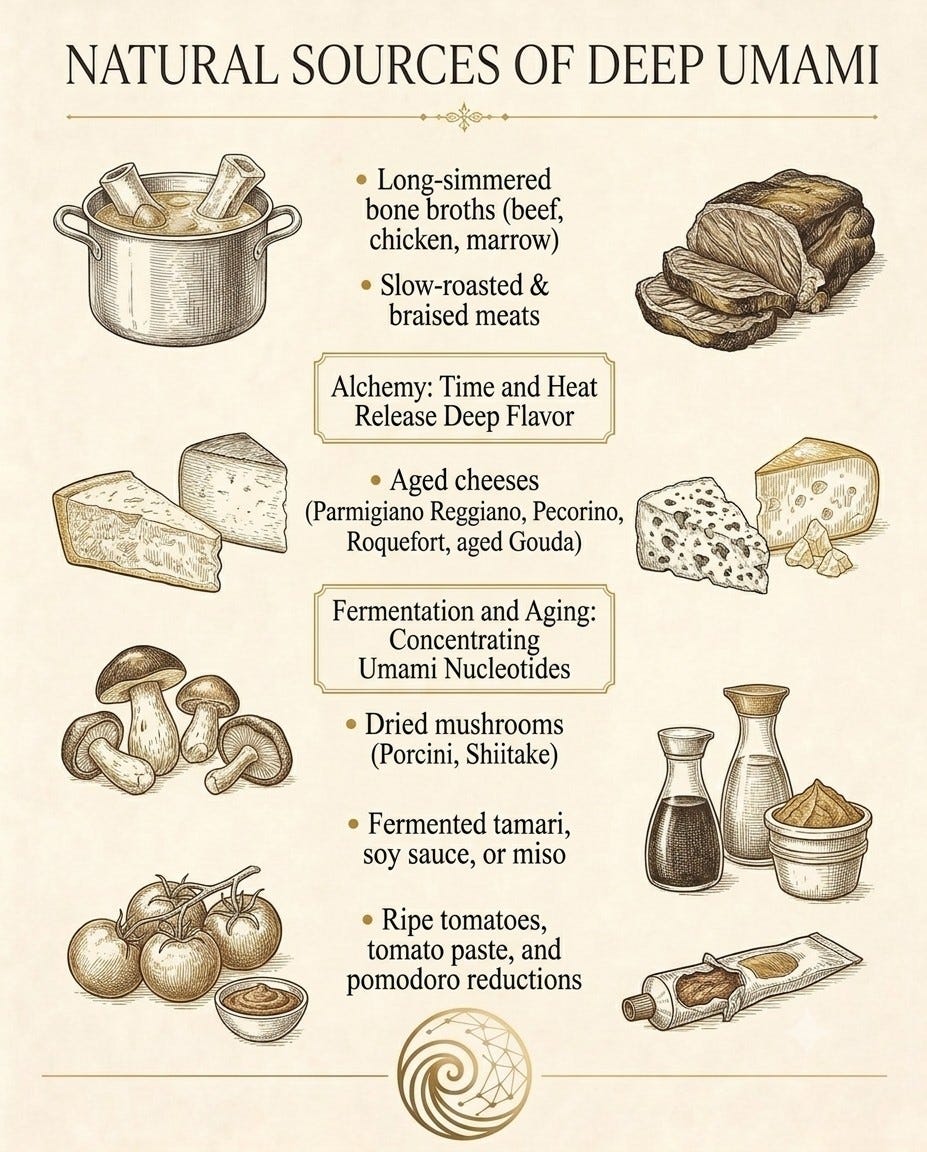
Nature packs this fifth, deeply satisfying taste into foods that have undergone slow cooking, aging, or natural fermentation. You can easily weave umami into your daily meals through rich, long-simmered bone broths (beef, chicken, or marrow), slow-roasted and braised meats, and aged hard cheeses like Parmigiano Reggiano, Pecorino, or aged Gouda. Plant-based umami powerhouses include dried mushrooms (such as Porcini or Shiitake), naturally fermented tamari, traditional soy sauce or miso, as well as sun-ripened tomatoes, tomato paste, and slow-cooked pomodoro reductions.
Why Umami Silences the “Snack Attack”
An Evolutionary Signal of Nourishment: When umami activates receptors in the stomach lining, it sends a message up the vagus nerve straight to the hypothalamus: “We have received complete, amino-acid-rich nourishment!”
Dopamine Peace: Umami delivers what neuroscientists call sensory-specific satiety. It swiftly satisfies the brain’s reward center. When a meal contains rich umami, your brain feels zero impulse to seek artificial taste hits or sweets after eating.
Digestive Juice Activation: Umami triggers a smooth enzymatic cascade in advance, allowing you to digest even the richest meals with effortless ease.
The Golden Flow Satiety Equation
When you pair a quality fat matrix + a touch of warmth/spice + rich umami flavor on one plate (for example: braised pork shoulder with a butter reduction, a pinch of chili, and a sprinkling of aged Parmigiano or dried porcini mushrooms), you create a biochemical masterpiece.
This synergy satisfies mechanoreceptors in the stomach, unlocks L-cells in the gut for GLP-1 release, and deeply contents your brain’s dopamine reward center. The result? The afternoon craving wheel halts instantly - without a single fight.
Hydration Hacks & Coffee Pitfalls: How Drinks Impact Satiety
Hydration management can be our greatest ally against cravings, but poorly timed drinking can disrupt digestion and ruin satiety signals.
Dehydration Disguised as Hunger
The hunger and thirst centers sit right next to each other in the hypothalamus. When mildly dehydrated, the brain sends a distress signal that we often misinterpret as: “Go check the fridge!”
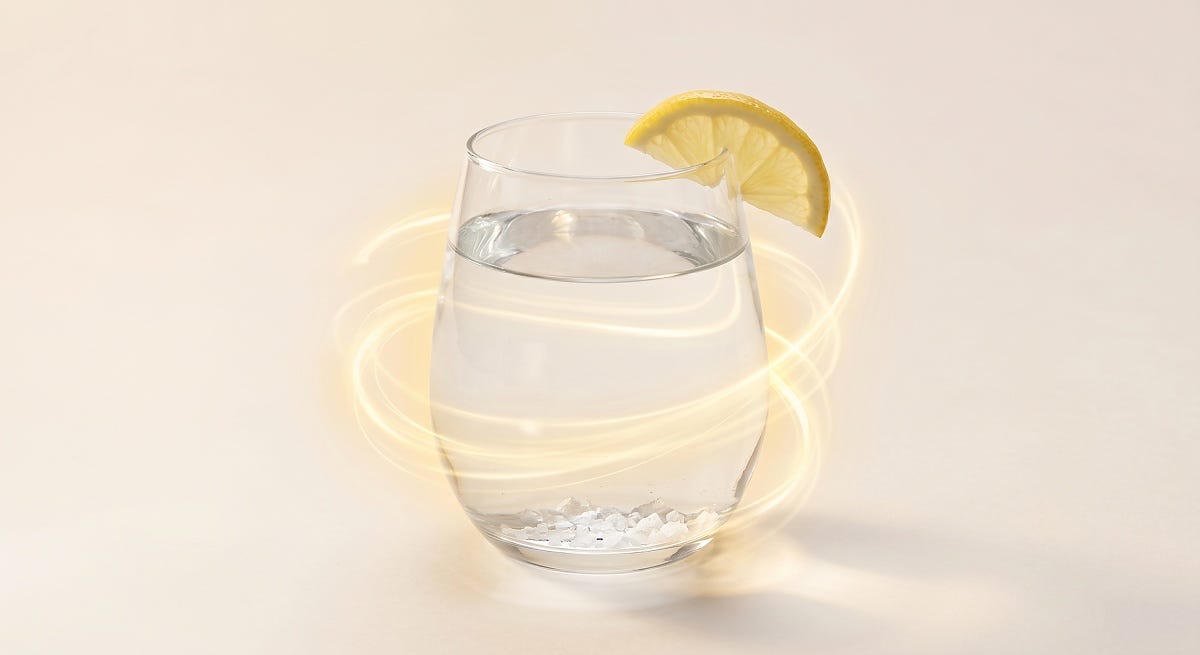
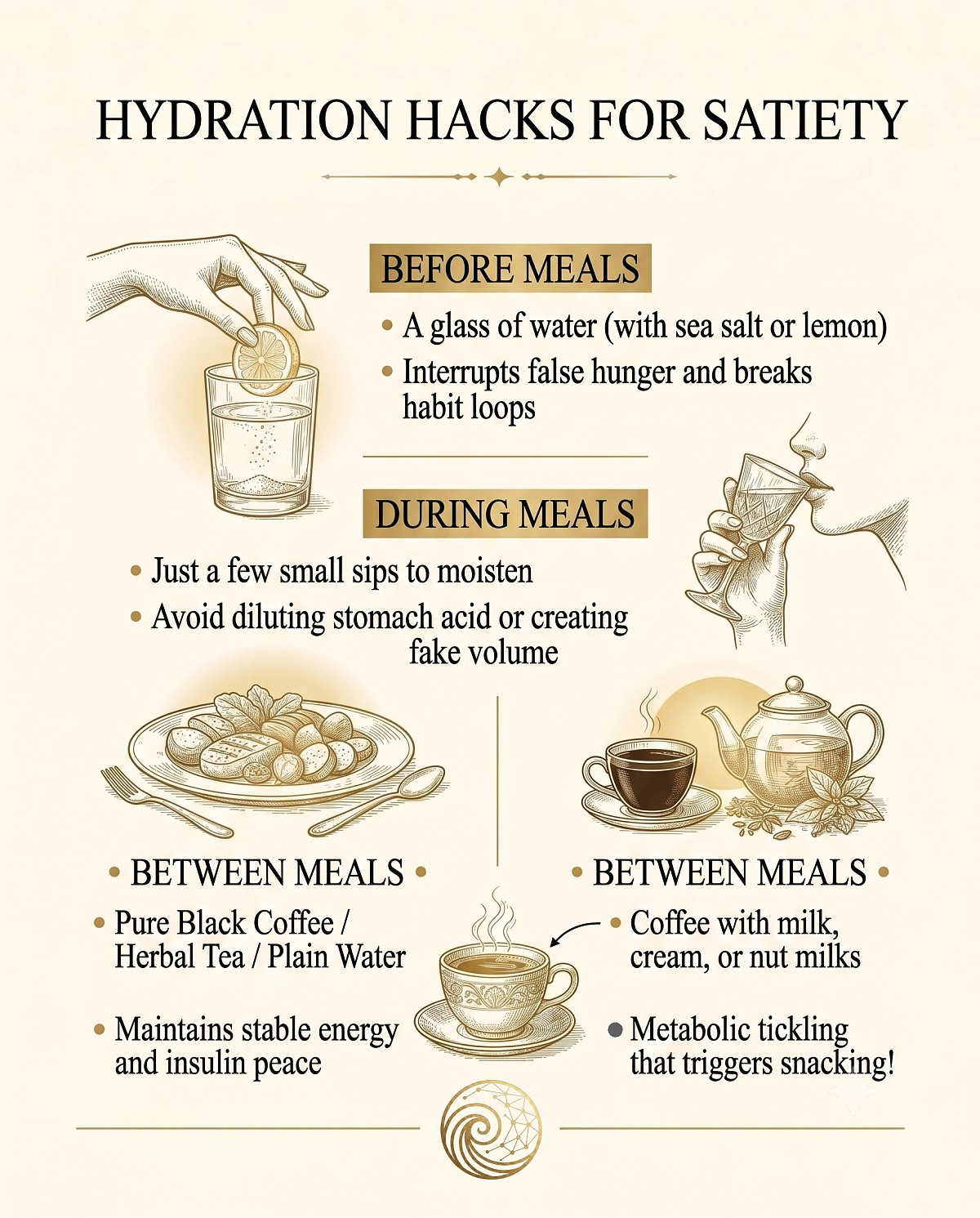
The Fix: Before giving in to a craving, drink a large glass of water with a pinch of sea salt or lemon juice. Electrolytes help water enter the cells directly, and the craving often vanishes within 5 minutes.
Drinking With Meals: Acid Dilution
Drinking large amounts of liquid during a meal dilutes hydrochloric acid (HCl) needed to break down dense meats and fats. Furthermore, while water stretches the stomach temporarily, it filters out quickly, causing the stomach to deflate and trigger a rebound hunger signal.
The Fix: Drink up to 20 minutes before a meal, sip minimally while eating, and resume drinking liquids 45–60 minutes after your meal.
The Coffee Trap: When Coffee Becomes Food
Adding oat milk, almond milk, cow’s milk, or cream to your coffee between meals throws a metabolic spark into your system. The stomach and pancreas receive a signal: “We are digesting!” This constant metabolic “tickling” keeps your digestive tract in a state of mild alert and directly induces the urge to snack throughout the day.
Physical Hunger vs. Behavioral “Snacking”: The Dopamine Ritual & Social Wiring
The Science of the “Anxious Brain”: Why We Seek Emotional Closure
Neuroscience reveals that eating engages two distinctly separate systems in the brain: the Homeostatic System (which measures actual nutrient deficiency in the body) and the Hedonic System (the reward pathway driven by dopamine).
When we finish lunch, our body might be biochemically satisfied, but our hedonic brain is often still looking for a “psychological exclamation mark”. Modern functional MRI (fMRI) studies show that stress, decision fatigue, or simply the transition from a busy morning to an afternoon workload triggers a micro-spike in cortisol. The brain, seeking a quick sensory buffer, fires up the striatum (our dopamine hub) and whispers: “We need a reward to transition into the next task.”
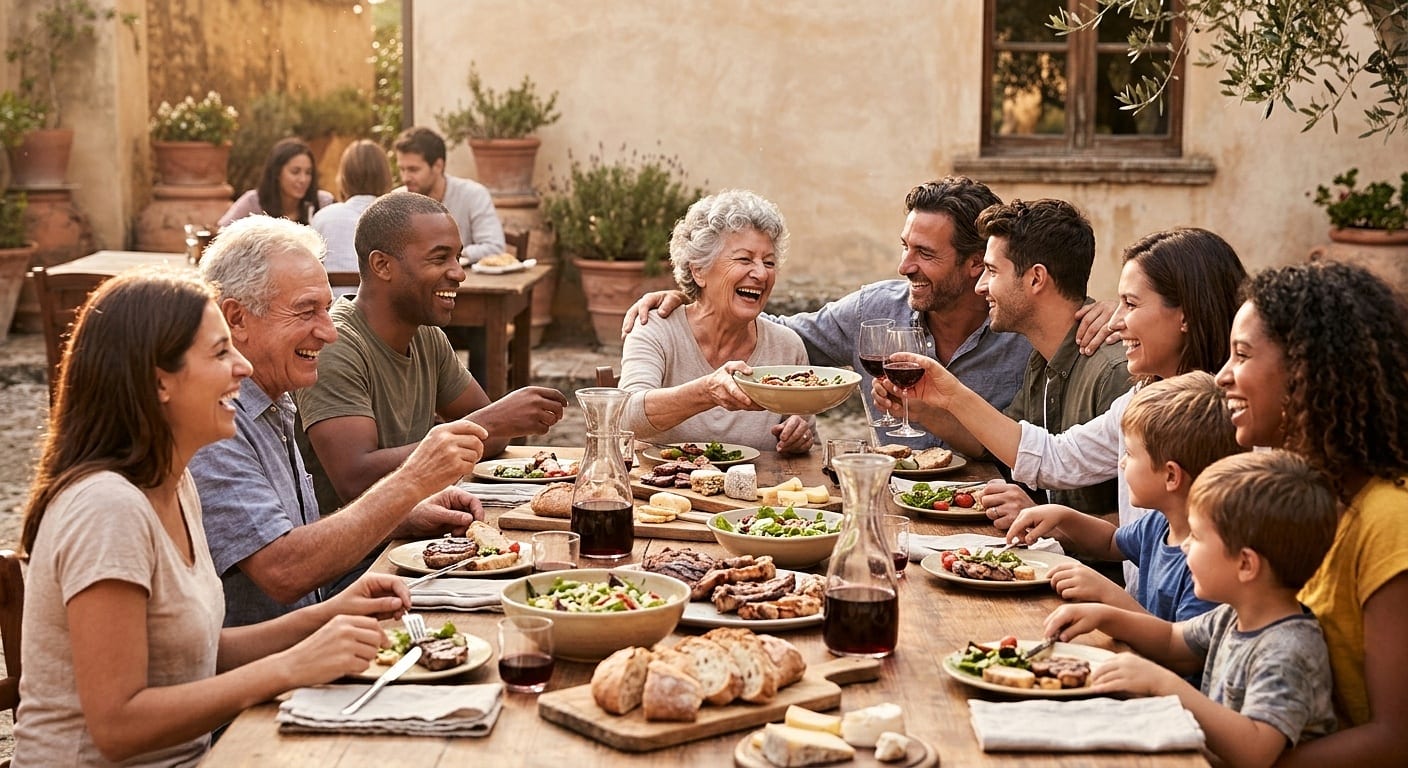
Moreover, human evolution wired us to view eating as a deeply social and communal anchor. For thousands of years, sharing food at the end of a hunt or gathering meant safety, connection, and belonging. In today’s fast-paced world, where we often eat lunch alone at our desks or in a hurry, our primitive brain misses that communal sense of completion. The “afternoon snack raid” is frequently nothing more than a subconscious attempt to recreate that feeling of warmth, safety, and relaxation.
Neurobiology of Interoception: The Power of Your Insula
How do we actually tune in to our true physical state? Neuroscientists highlight the insular cortex (the Insula) - the brain’s internal body-sensing center. When you pause before reaching for a snack, you actively stimulate your Insula, strengthening your ability to distinguish between a physiological stomach call and a psychological wave of boredom or fatigue.
Decoding the Signals: True Hunger vs. The Mental Wave
To break this cycle without waging a constant war of willpower, we simply need to learn how to decode what our body is actually telling us.
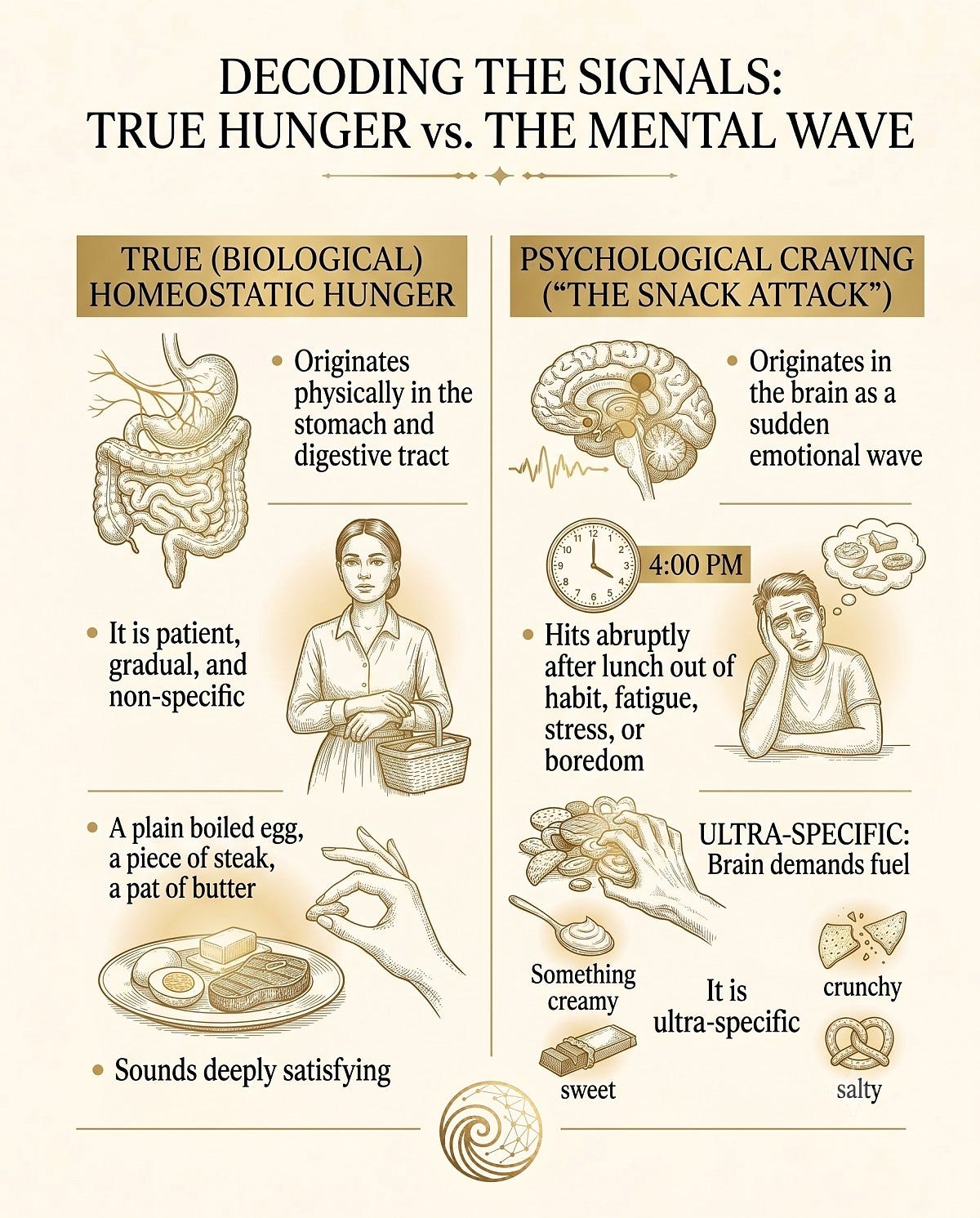
True, biological homeostatic hunger originates physically in the digestive tract. It is patient, builds gradually, and remains non-specific - when you are genuinely hungry, simple nutrient-dense foods like a plain boiled egg, a piece of steak, or a pat of butter sound deeply satisfying.
A psychological craving - the classic “snack attack” - behaves completely differently. It strikes suddenly in the brain as an emotional wave, usually triggered shortly after lunch by habit, stress, fatigue, or boredom. It is ultra-specific: your brain isn’t asking for actual fuel; it is demanding a very precise sensory texture, whether that means something creamy, crunchy, sweet, or salty.
What is your personal 3:30 PM trigger—is it fatigue, stress, or just a habit loop? Let me know in the comments below!
The “Cigarette Effect”: Emotional Grazing as a Dopamine Loop
This psychological grazing is a classic dopamine habit loop.
Think of a former smoker who has long cleared nicotine from their physiological system, yet still struggles with the hand-to-mouth gesture during moments of stress or after a meal. The physical addiction is gone, but the behavioral ritual remains deeply entrenched.
When we wander to the fridge right after lunch, we are rarely hunting for calories. We are engaging in a hand-to-mouth sensory ritual designed to give our brain a pause, a shift in focus, and a quick hit of dopamine.
How to Master the Ritual (Without Deprivation)
Once you realize the “snack attack” is psychological rather than physical, you don’t need to fight it - you just need to redirect the ritual:
Change the Physical State: Replace the trip to the fridge with a 5-minute movement break, step outside for sunlight, or engage in a quick physical stretch. This satisfies the brain’s need for a “task transition” without dumping unneeded calories into your stomach.
Upgrade the Sensory Closing: If your brain craves a sensory closing mark, give it an inzulin-neutral ritual - a hot cup of rich herbal tea (like peppermint or dandelion root), a warm glass of lemon water with sea salt, or a single square of 90%+ dark chocolate enjoyed mindfully.
Bring Back the Social Connection: Whenever possible, turn your main meal into a conscious pause. Stepping away from screens and taking 10 minutes to talk with a colleague, partner, or friend restores the ancient social dimension of eating, leaving your brain feeling truly complete and emotionally nourished.
Our At-Home Experiment: Theory Proven in Practice!
Instead of remaining in the realm of theory, we ran a live test right in our kitchen! To the exact same boiled beef from the broth that triggered yesterday’s fridge raid, I added a quick, rich mushroom-butter sauce. We added a fat-matrix cushion and watched what happened.
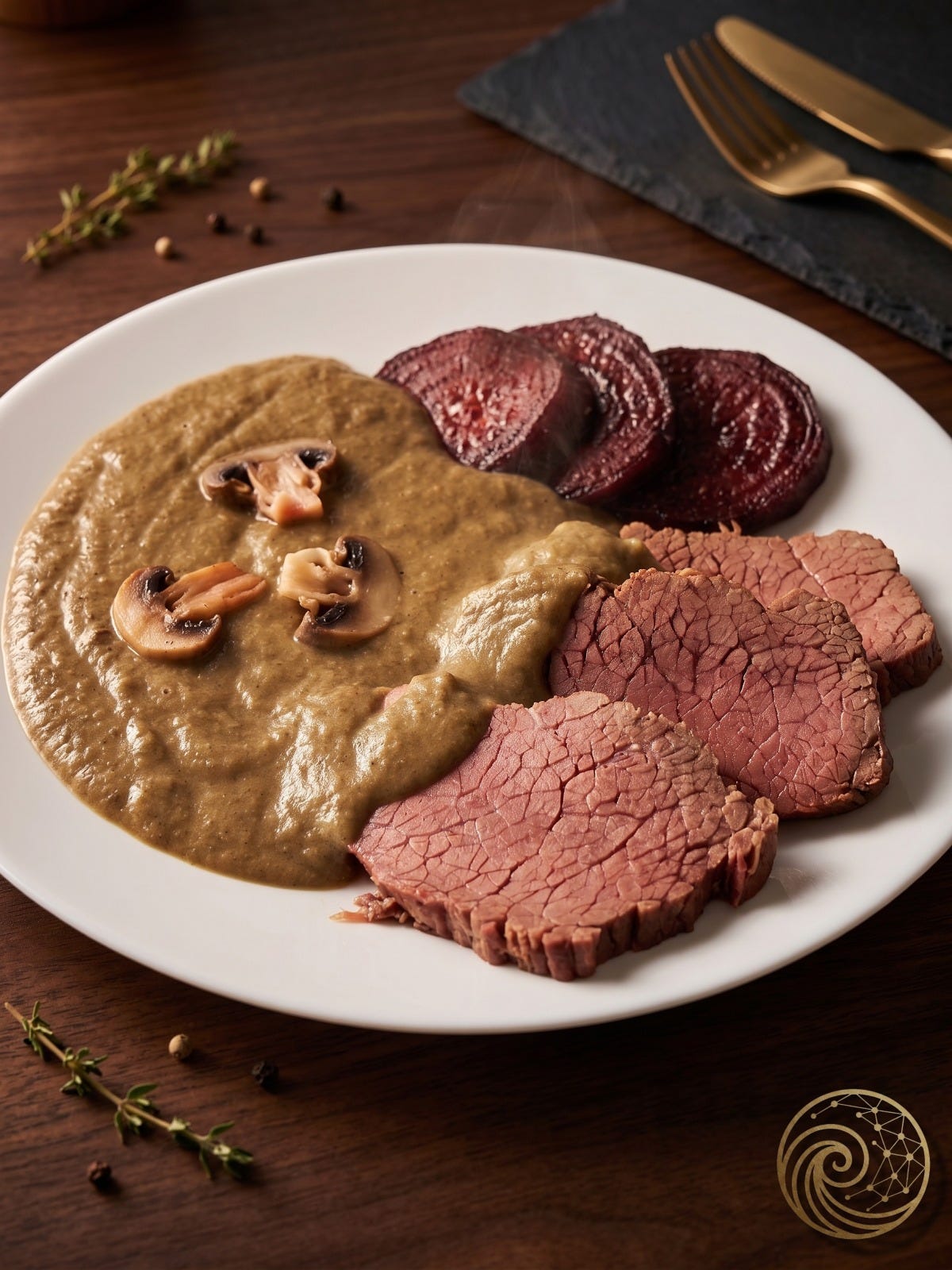
The result? Total success!
Zero fridge raids occurred. There was only a single automatic, habitual walk toward the kitchen - simply a reflex of his body asking for a short stretch and break. That movement pattern was effortlessly redirected into a glass of clean water. Fullness, calm, and quiet satisfaction reigned in my partner’s gut all the way until a light dinner of fresh cherries and walnuts.
The Golden Flow Satiety Protocol: 5 Master Rules for Effortless Flow
No willpower, no deprivation - just smart biochemical alignment and behavioral awareness.
1. Wear a “Fat Coat” at Lunch (The Fat Cushion)
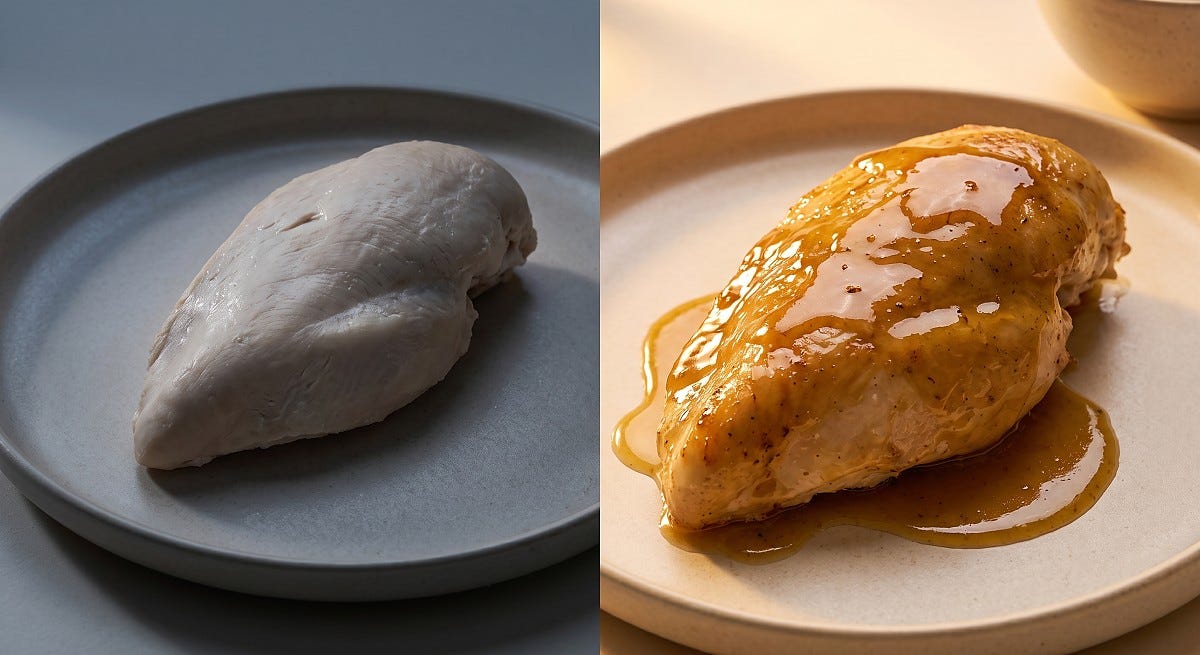
Never eat pure lean meat or clear broth alone. Lean protein without a fat cushion leaves you biochemically unsatisfied and triggers the afternoon snack attack. Always dress lean meats (chicken breast, sirloin, rabbit) with a rich ghee sauce, butter reduction, pan drippings, or a fresh salad generously drizzled with extra virgin olive oil.
2. The Water-First Intercept & Clean Coffee Window
At the first urge to raid the fridge, make a mandatory stop: drink a large glass of water with a pinch of sea salt or lemon juice to reset false thirst, hydrate your cells, and break habit loops. Between meals, keep your coffee window strictly black - adding milk, cream, or plant milks causes metabolic “tickling” that constantly triggers grazing.
3. Activate Your Insula (The 10-Second Pause)
When a craving strikes, pause for just 10 seconds before acting. Ask yourself: “Is this physical homeostatic hunger in my stomach, or is my brain asking for a break, sunlight, or a glass of water?” This quick check-in trains your insular cortex, turning reactive grazing into conscious bodily awareness.
4. No Post-Lunch Couch Collapse
Resist the urge to lie down immediately after eating. Staying upright or taking a light 10–15 minute walk supports smooth digestion, enhances insulin sensitivity, and completely shuts down acid reflux.
5. A Controlled Evening Finale
If you need a sweet closing note after dinner, always wrap it in a fat matrix: enjoy fresh berries with real, unsweetened whipped cream, a handful of walnuts, or a spoonful of coconut or pumpkin seed oil.
Conclusion: When the Body Gets What It Truly Craves
Our body is not an enemy trying to sabotage us with secret fridge raids. It is a brilliant, finely tuned system communicating its needs. When we reach for extra snacks right after lunch, it isn’t a failure of willpower; it’s a loud cry from a gut that didn’t receive the proper, calming signals of satiety.
When we understand the language of our hormones, the gut-brain expressway, and bring quality fat back to the table, the drama around snacking simply dissolves. Without a fight, without deprivation, and without guilt.
Saturate your plate with a little extra fat-love, drink a glass of water before opening the fridge, and watch your metabolic flow restore itself to perfect balance. Because healthy, delicious, and deeply satisfying are meant to go hand in hand!